
What Is LTD on a Pay Stub? A Simple Explanation for Canadians
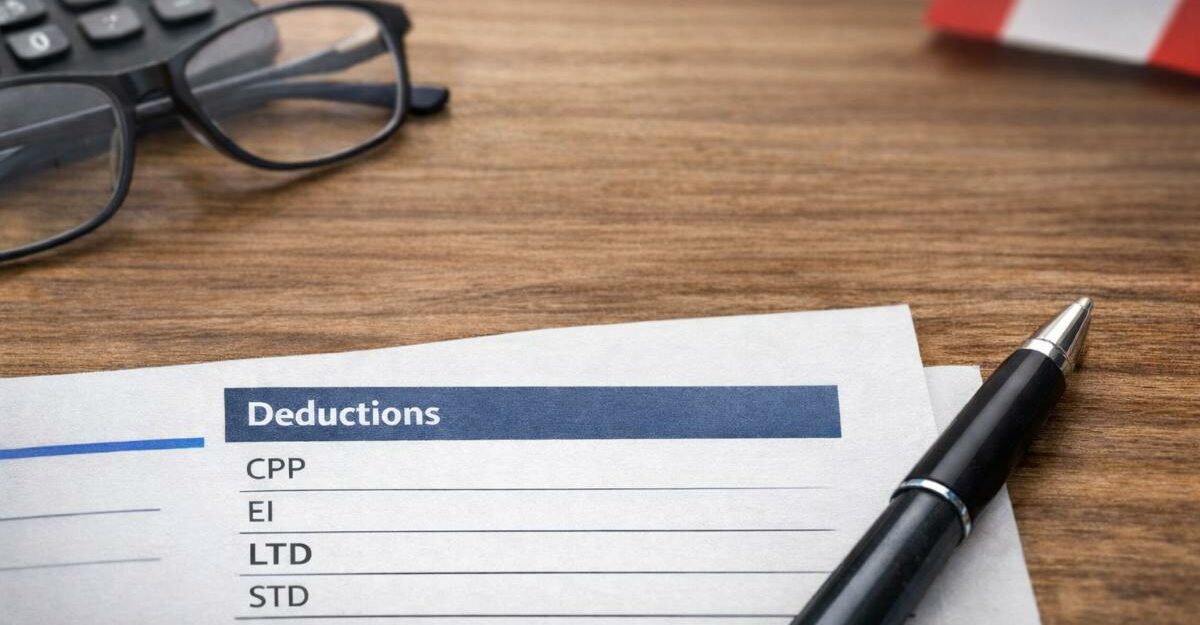
If you’ve noticed “LTD” on your pay stub, you’re not alone. Many Canadian employees see this deduction and aren’t sure what it means, who pays it, or whether it matters if they ever need disability benefits.
Here’s the short answer:
LTD on a pay stub usually stands for Long-Term Disability insurance.
It means money is being set aside to cover income replacement if you become unable to work due to illness or injury.
Below is a clear breakdown of what LTD means on your pay stub, how it works in Canada, and why it matters if your claim is denied.
What Does LTD Mean on a Pay Stub?
LTD = Long-Term Disability insurance
This deduction shows that you’re covered under a workplace disability insurance plan that may pay you income if you’re unable to work for an extended period.
In most cases:
- LTD benefits begin after short-term disability (STD) ends
- Benefits usually replace 60–70% of your income
- Coverage can last years, or until age 65, depending on the policy
For a plain-language breakdown of pay stub deductions and codes, the Government of Canada’s “Check your pay stub” resource is a useful reference (note: it’s intended for federal government employees)
What Is LTD EE on a Pay Stub?
“LTD EE” means employee-paid Long-Term Disability.
In plain terms:
- You pay the LTD premiums
- The deduction comes directly off your pay
- Your LTD benefits are usually tax-free if you ever need them
This distinction matters a lot if your claim is approved — or denied.
What Is LTD ER on a Pay Stub?
“LTD ER” means employer-paid Long-Term Disability.
That means:
- Your employer pays the premiums
- You don’t see a deduction for LTD on your pay
- Any LTD benefits are usually taxable
Many employees don’t realize this until they’re already on claim.
What Is STD and LTD on a Pay Stub?
If your pay stub shows both STD and LTD, it usually means you’re covered for short-term and long-term disability.
Here’s the difference:
- STD (Short-Term Disability)
- Covers the first few weeks or months off work
- Often replaces income for 15 weeks to 6 months
- LTD (Long-Term Disability)
- Kicks in after STD ends
- Covers long-term or permanent inability to work
Why LTD on Your Pay Stub Really Matters
Seeing LTD on your pay stub means you’ve paid into a system that should fight you when you need it most.
Common issues include:
- Claims denied for being “not totally disabled”
- Benefits cut off after 2 years
- Surveillance or insurer-hired medical exams
- Pressure to return to work too soon
What to Do If Your LTD Claim Is Denied or Cut Off
If your insurer terminates or denies your LTD benefits:
- Do not assume they’re right
- Do not rely on the insurer’s appeal process alone
- Do not miss limitation deadlines
Final Takeaway
- LTD on your pay stub = Long-Term Disability insurance
- LTD EE means you pay the premiums
- LTD ER means your employer pays
- STD covers short absences; LTD covers long-term inability to work
- Paying into LTD doesn’t guarantee approval — but it does give you rights
Understanding your pay stub is just the first step.
If your employer has asked you to sign a new contract of employment, it’s normal to feel pressured — and confused.
So let’s answer the key question clearly:
Yes. You can refuse to sign a new contract of employment.
And in many cases, refusing is the smart move.
Below is what Canadian employees need to know before signing anything.
Can I Refuse to Sign a New Contract of Employment?
Yes. An employer can’t force you to sign a new employment contract.
If you already have a job and an existing agreement (written or implied), your employer can’t unilaterally change those terms by putting a new contract in front of you.
Why Employers Ask Employees to Sign New Contracts
Employers usually introduce new contracts to:
- Limit severance pay
- Add or tighten termination clauses
- Reduce bonuses, commissions, or benefits
- Add non-compete or non-solicitation clauses
- Lock employees into less favourable terms
What Happens If I Refuse to Sign a New Employment Contract?
Refusing to sign does not automatically mean you lose your job.
Here’s how it typically plays out:
1. Your Original Terms Still Apply
If you say no and keep working, your existing employment terms remain in effect.
2. Your Employer Has Two Legal Options
Your employer can:
- Drop the issue and keep employing you under your current terms, or
- Terminate your employment and owe you full severance pay
What they can’t do is punish you, demote you, or quietly impose the new contract anyway.
Can My Employer Fire Me for Refusing to Sign?
They can terminate your employment — but that comes with consequences.
If you are fired for refusing to sign a new contract:
- It is usually considered a termination without cause
- You are likely owed significant severance pay
- Any attempt to rely on the new unsigned contract will usually fail
This is where many employers miscalculate.
What If My Employer Says “Sign It or Else”?
That’s a red flag.
Pressure tactics like:
- “This is mandatory”
- “Everyone else has signed”
- “You’ll lose your job if you don’t sign today”
often point to unenforceable or risky contract terms.
Can an Employer Change My Contract Without My Consent?
No.
Under Canadian employment law, major changes require employee consent.
Without consent, a significant change can amount to constructive dismissal.
This includes changes to:
- Pay or commissions
- Job duties or title
- Work location or hours
- Termination rights
Should I Ever Sign a New Employment Contract?
Sometimes — but only after it’s reviewed.
A new contract may be reasonable if:
- You’re receiving meaningful compensation in return (raise, promotion, bonus)
- Termination clauses comply with employment law
- Your severance rights are not being reduced
Key Takeaways for Employees
- You can refuse to sign a new contract of employment
- Your employer can’t force you to accept worse terms
- Signing may permanently reduce your severance rights
- If fired for refusing, you are likely owed full severance pay
Asked to Sign a New Employment Contract? Speak to an Employment Lawyer First
Before you sign — or refuse — get proper legal advice.
A quick contract review can:
- Protect your severance entitlements
- Prevent enforceable termination clauses
- Clarify whether your employer’s demands are legal
About the Author

Sivan Tumarkin
Sivan Tumarkin is a Founding Partner of Samfiru Tumarkin LLP and Practice Leader for the firm's Long-term Disability & Personal Injury Law Group. His previous experience working for insurance companies has given him unique insight into the long-term disability claim denial and appeals process, allowing him to secure strong results for his clients.
More about Sivan TumarkinRelated Posts

February Freezing Drizzle: OPP Respond to “Dozens” of GTA Crashes
Provincial police shared on social media that freezing drizzle wreaked havoc on major roadways and side streets.

Toronto Crashes, Car Accidents & Local News
Live updates on Toronto crashes and car accidents. See today’s incidents, hotspots, and learn your legal rights after a collision.

Own Occupation vs Any Occupation Disability Insurance
Own occupation vs any occupation disability insurance explained. Learn how a 24-month switch affects LTD benefits & why insurers deny claims.