
Bonus Withheld or Not Paid? Your Legal Options as an Employee
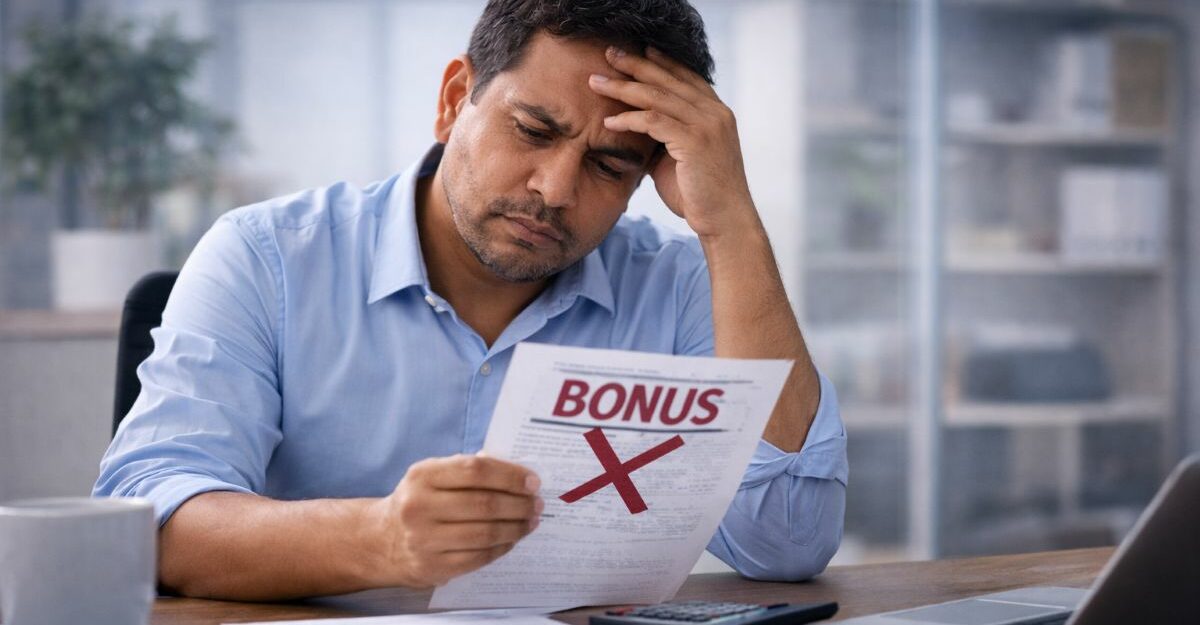
A bonus can make up a significant part of your income. When an employer withholds a bonus, delays payment, or says you’re “not eligible,” it can come as a shock — especially if bonuses were paid regularly in the past.
In Canada, employers can’t simply refuse to pay a bonus just because they choose to. Whether bonus pay is legally owed depends on how it was structured, how it was paid in practice, and what your contract actually says.
This guide explains when employers can withhold a bonus, when they can’t, and what employees can do if a bonus isn’t paid.
Can an Employer Refuse to Pay a Bonus?
Sometimes — but not automatically.
An employer may be able to refuse payment if:
- The bonus was genuinely discretionary
- You did not meet clearly stated conditions
- The bonus plan clearly allows non-payment
However, employers often overreach. A bonus may still be owed if it:
- Was paid consistently year after year
- Was tied to performance, targets, or sales
- Formed a meaningful part of your total compensation
Common Reasons Employers Withhold Bonuses
Employees are often told a bonus wasn’t paid because:
- “The bonus is discretionary”
- “You weren’t actively employed on the payout date”
- “The company didn’t perform well”
- “Management decided not to pay bonuses this year”
- “You resigned or were terminated before bonus day”
What If the Bonus Was Already Earned?
A key distinction is whether the bonus was earned before it was withheld.
A bonus may already be earned if:
- You met the performance targets
- Sales were completed
- The bonus period ende
- The bonus can be calculated using a formula
Can I Sue My Employer for Not Paying My Bonus?
Yes — in many cases.
Employees may have legal options if:
- A guaranteed bonus was not paid
- A discretionary bonus was paid regularly and then withheld
- A bonus was excluded from severance
- An employer relied on vague or unfair contract language
Bonus claims can be brought as part of:
- A wrongful dismissal claim
- A severance dispute
- A claim for unpaid compensation
How Employment Contracts Affect Bonus Claims
Your employment contract and any bonus plan matter — but they are not always decisive.
Courts look closely at:
- Whether the contract clearly limits bonus entitlement
- Whether “active employment” clauses are unambiguous
- Whether the bonus plan was followed in practice
Bonus Withheld After Resignation
Resigning does not automatically mean you lose your bonus.
You may still be entitled if:
- The bonus was earned before your last day
- The plan does not clearly require active employment at payout
- The employer terminated you shortly after resignation
Timing matters, but resignation alone is rarely the full answer.
Bonus Withheld After Termination
If you were terminated without cause, a withheld bonus may be part of a severance dispute.
In many cases, severance pay must reflect:
- Salary you would have earned
- Bonuses you would have earned during the notice period
Employers often exclude bonuses by default — even when they’re legally owed.
Evidence That Can Help Prove a Bonus Is Owed
If a bonus is withheld, useful evidence may include:
- Past bonus payment history
- Performance targets or KPIs
- Emails or offer letters referencing bonuses
- Pay stubs and compensation summaries
- Company policies or bonus plans
Bonus disputes are often fact-driven, and documentation matters.
Time Limits for Bonus Claims
In most cases, employees have two years to start a legal claim. Waiting too long can permanently bar recovery — even if the bonus was clearly owed.
What to Do If Your Bonus Is Withheld
If your employer refuses to pay a bonus:
- Don’t assume the employer is right
- Don’t rely only on HR explanations
- Don’t sign anything without advice
- Get clarity on whether the bonus was legally owed
Key Takeaways for Employees
- Employers can’t withhold bonuses arbitrarily
- “Discretionary” does not always mean “not owed”
- Earned bonuses are difficult to claw back
- Contracts matter, but so does past practice
- Legal advice can clarify your options quickly
When to Speak With an Employment Lawyer
You should consider legal advice if:
- A bonus you expected was not paid
- Your employer suddenly changed bonus practices
- A bonus was excluded from your severance
- The bonus made up a large part of your income
About the Author

Lior Samfiru
Lior Samfiru is a Founding Partner at Samfiru Tumarkin LLP and the Practice Leader of the firm’s Labour & Employment Law Group. Known for his advocacy and success representing both employees and employers, Lior exclusively serves clients in Ontario, where his extensive experience has made him one of Canada’s most sought-after employment lawyers.
More about Lior SamfiruRelated Posts

“Very Good” at Cost-Cutting: Oracle Eliminating Thousands of Jobs in 2026
The latest information on the workforce reduction, key resources for affected Canadians, and how our team can help.

Oracle Layoffs 2026: What’s Happening & Severance Rights in Canada
Oracle is reportedly eliminating thousands of roles globally. Key details and resources for non-union workers in Canada.

Canada Layoffs (2026): What They Mean & Your Legal Rights
Laid off or facing layoffs in Canada? Learn what a layoff really means, when severance is owed, and what to do next.