
Who Is Responsible for a Slip and Fall in Ontario? Understanding Liability
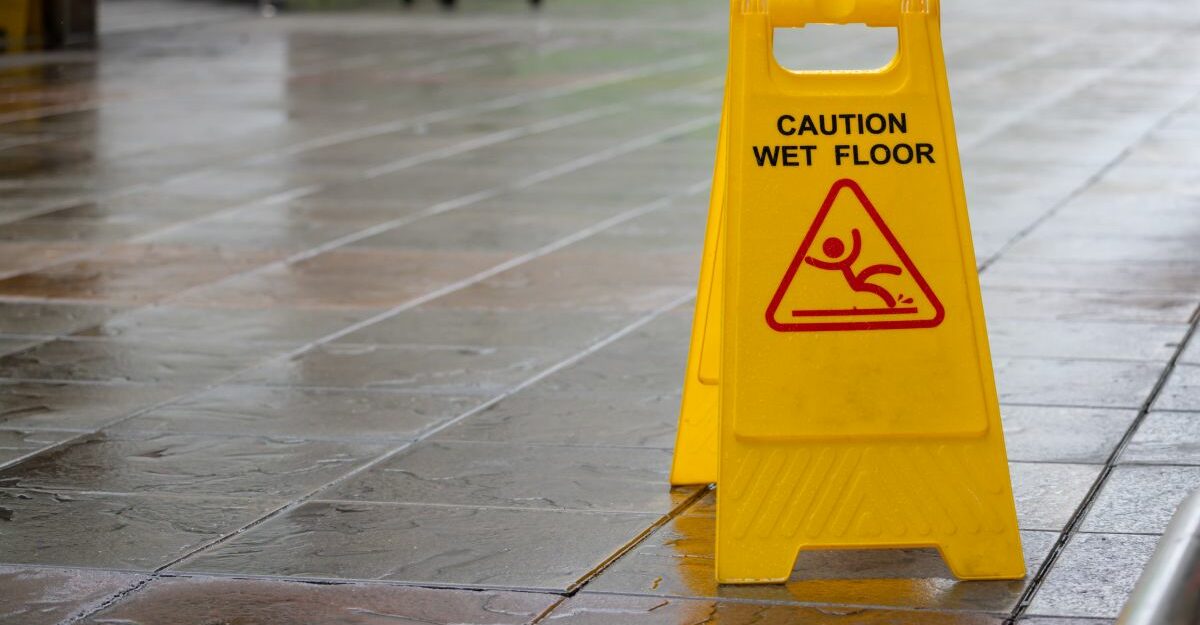
If you slip and fall in Ontario, your first question is often: Who is responsible?
In many cases, the answer isn’t obvious. Liability depends on where the fall happens, who controls the property, how the hazard forms, and whether the people responsible maintain the area properly.
This guide explains who may be at fault, how we determine liability, and the steps you should take next.
Ontario’s Occupiers’ Liability Act: The Basic Rule
In Ontario, responsibility for a slip and fall is governed by the Occupiers’ Liability Act.
An “occupier” is anyone who:
- Owns the property
- Controls the property
- Manages the property
- Maintains the property
Who Can Be Responsible for a Slip and Fall in Ontario?
Liability depends on where the fall occurred. Below are the most common parties who may be at fault.
✅ 1. Property Owners (Homes, Businesses, Landlords)
Property owners are responsible for maintaining:
- Entrances
- Walkways
- Stairs
- Parking lots
- Common areas
- Floors inside the building
If unsafe conditions caused your fall, the owner may be liable.
✅ 2. Commercial Businesses
Stores, malls, restaurants, gyms, and other businesses must ensure:
- Floors are dry and safe
- Spills are cleaned quickly
- Aisles are clear
- Carpets and mats lie flat
- Warning signs are used properly
If poor maintenance or staff inattention caused your fall, the business may be at fault.
✅ 3. Property Management Companies
In condos, apartment buildings, office towers, and shopping centres, maintenance may be handled by a separate property management company.
They may be responsible for:
- Cleaning
- Floor inspections
- Lighting
- Repairs
- Hazard prevention
If they neglect these duties, liability may shift to them.
✅ 4. Snow and Ice Removal Contractors
Ontario winters are unpredictable, and many property owners hire contractors for snow and ice clearing.
Contractors may be responsible if:
- They failed to apply salt or sand
- They didn’t clear snow on time
- They didn’t follow the contract requirements
- They did poor or incomplete work
In snow and ice cases, liability often involves both the property owner and the contractor.
👉 If your fall involved snow or ice, Ontario’s 60-day notice rule may apply. Read our guide – Slip and Fall on Snow and Ice: Your Rights Under Ontario’s 60-Day Rule.
✅ 5. Landlords and Condo Corporations
In rental buildings and condo complexes, owners are responsible for maintaining:
- Hallways
- Lobbies
- Parking garages
- Sidewalks
- Stairwells
- Exterior pathways
If unsafe conditions caused your fall, the landlord/condo board may be at fault.
✅ 6. The Municipality (City of Toronto and Others)
If you slipped on a municipal sidewalk, park pathway, or public area, the city may be responsible.
But these cases have strict rules:
- You must give written notice within 10 days of the fall
- The hazard must meet specific legal standards
- Evidence must be collected quickly
How Do You Prove Liability in a Slip and Fall?
To hold someone responsible, you must show that:
1. A dangerous condition existed, such as:
- Ice or snow
- Wet floors
- Poor lighting
- Uneven pavement
- Torn carpeting
- Spills or debris
2. The occupier knew about the hazard, or should have known, and
3. They didn’t fix the hazard, warn about it, or prevent the danger.
Your lawyer helps gather:
- Photos and video
- Witness statements
- Maintenance records
- Weather and temperature data
- Incident reports
- Expert assessments
- Medical documentation
Strong evidence leads to stronger claims.
👉 To learn what you may be owed once liability is established, read our full guide: Slip and Fall Compensation in Ontario.
What If More Than One Person Is Responsible?
This is very common.
In Ontario slip and fall cases:
- A property owner may be partly at fault
- A contractor may be partly at fault
- A tenant may also share responsibility
- The municipality may be involved
Liability can be split between multiple parties — each contributing to the final settlement.
Can You Be Partly at Fault? (Contributory Negligence)
Sometimes the insurance company argues you were partly responsible.
This may include:
- Wearing improper footwear
- Walking while distracted
- Ignoring visible hazards
- Entering a restricted area
If you’re found partially at fault, your compensation may be reduced by that percentage.
Your lawyer will work to minimize these deductions.
When Should You Contact a Lawyer?
You should reach out immediately if:
- You were injured
- The property owner denies responsibility
- You’re unsure who is at fault
- More than one party may be involved
- The fall happened on snow or ice
- The fall happened on municipal property
- You missed work or may need long-term treatment
Free Consultation: Find Out Who Is Responsible for Your Slip and Fall
If you were injured in a slip and fall in Ontario, you don’t have to determine liability on your own.
We can help you understand who is responsible and what compensation you may be entitled to.
- ✅ Free consultation
- ✅ No upfront fees
- ✅ Millions recovered for injured Canadians
- ✅ Canada’s most-reviewed personal injury and disability law firm
Speak to a Slip and Fall Lawyer in Ontario Today.
About the Author

Sivan Tumarkin
Sivan Tumarkin is a Founding Partner of Samfiru Tumarkin LLP and Practice Leader for the firm's Long-term Disability & Personal Injury Law Group. His previous experience working for insurance companies has given him unique insight into the long-term disability claim denial and appeals process, allowing him to secure strong results for his clients.
More about Sivan TumarkinRelated Posts

RBC Attending Physician Statement: What It Is and How It Affects Your Disability Claim
Learn what the RBC Attending Physician Statement is, why it matters, and how it can affect your disability claim or benefits.
RBC Complaints and Ombudsman: How the Process Works and What to Do If Your Disability Claim Is Denied
Learn how the RBC complaints process and ombudsman work, and what to do if your disability claim is denied or delayed.
2 Women Hurt After Crash Near Southgate Shopping Centre in Ottawa
Ottawa police are asking anyone with information on the incident, including dashcam footage, to contact them.