
Slip and Fall Claims in BC: Your Rights Under the Occupiers Liability Act
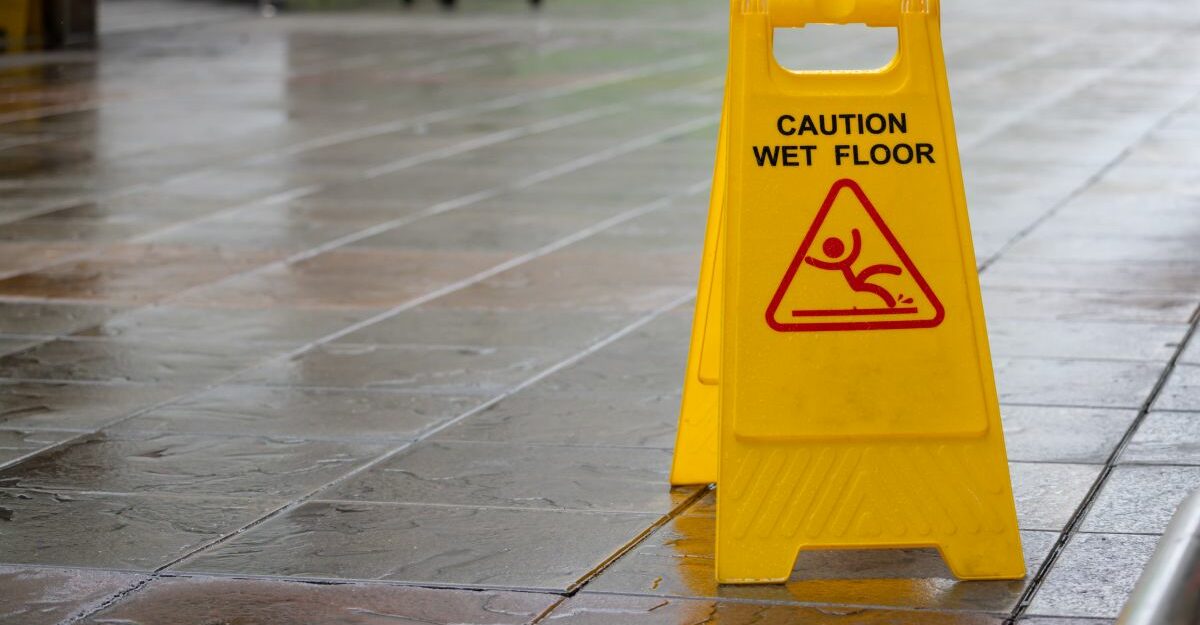
If you slip and fall in British Columbia — whether in a store, apartment building, parking lot, sidewalk, or public space — your rights are protected under the BC Occupiers Liability Act. This law requires property owners and those who control a space to take reasonable steps to keep people safe.
This guide explains how the Act works, who is responsible, and what injured people in BC need to know after a slip and fall.
What Is the BC Occupiers Liability Act?
The BC Occupiers Liability Act sets the safety standard for all spaces where the public or invited guests may be present.
It applies to:
- Stores
- Restaurants
- Sidewalks & walkways
- Parking lots
- Apartment & condo buildings
- Offices
- Hotels
- Hospitals
- Schools
- Private homes
- Public commercial spaces
Under the Act, an “occupier” is any person or organization that:
- Owns a property
- Manages a property
- Controls a property
- Is responsible for maintenance or safety
What Duties Does an Occupier Have in BC?
Occupiers must take reasonable care to ensure people are safe while on their property. This includes:
- Inspecting the property regularly
- Removing hazards quickly
- Placing warning signs when needed
- Repairing dangerous conditions
- Clearing snow, ice, or water buildup
- Ensuring proper lighting
- Maintaining stairs, handrails, tiles, floors, and walkways
If an occupier fails in these duties and someone is hurt, they may owe compensation.
Who Can Be Liable for a Slip and Fall in BC?
Liability depends on who was responsible for the area where the accident occurred. This may include:
1. Store or Business Owners
For hazards like:
- Spills
- Slippery floors
- Falling merchandise
- Leaking coolers or freezers
2. Property Managers
For poor maintenance, lighting issues, or inspection failures.
3. Landlords & Condo Corporations
For unsafe hallways, stairwells, entrances, and parking areas.
4. Cleaning & Maintenance Contractors
For failing to mop, clean, repair, or inspect.
5. Snow & Ice Removal Contractors
For failing to clear walkways and entrances during winter.
6. Municipalities
For certain sidewalks or public walkways (subject to strict notice rules).
ℹ️ Often, multiple parties share responsibility.
Common Slip and Fall Hazards in British Columbia
Slip and falls in BC often involve:
- Rainwater at entrances
- Moss-covered sidewalks
- Snow and ice buildup
- Slippery tile floors
- Uneven pavement
- Poor lighting
- Leaking coolers in grocery stores
- Hazards left after restocking
- Tree-root heaving on walkways
- Debris or clutter in common areas
How Do You Prove a Slip and Fall Claim in BC?
To succeed under the Occupiers Liability Act, you must show:
- A hazard existed (ice, water, moss, uneven pavement, debris, poor lighting, etc.)
- The occupier knew or should have known about the hazard
- They failed to take reasonable steps to prevent the danger
- You suffered injuries and losses as a result
Your lawyer will collect:
- Photos and video
- Witness statements
- Weather data
- Maintenance logs
- Cleaning schedules
- Incident reports
- Medical records
- Surveillance footage
Evidence disappears quickly, so timing matters.
Common Injuries from Slip and Falls in BC
Slip and falls often lead to:
- Fractures
- Concussions
- Soft-tissue injuries
- Knee and shoulder injuries
- Torn ligaments
- Chronic pain
- Back and spinal injuries
- Reduced mobility
These injuries can affect your ability to work and perform daily tasks.
What Compensation Can You Receive?
Under the BC Occupiers Liability Act, you may claim compensation for:
- Pain and suffering
- Lost wages
- Future loss of income
- Medical and rehab costs
- Out-of-pocket expenses
- Housekeeping and home support
- Long-term disability benefits (if you cannot work)
ℹ️ For a full breakdown of compensation categories:
👉 Slip and Fall Compensation in BC
Special Rules for Municipal Property
If your fall occurred on a sidewalk owned by a municipality, the rules change.
BC municipalities typically require written notice within 2 months.
Examples of municipal locations:
- Sidewalks
- Crosswalks
- Park pathways
- City-owned staircases
What to Do After a Slip and Fall in BC
To protect your health and your claim:
- Get medical care immediately
- Photograph the hazard
- Report the incident to the owner or manager
- Get witness information
- Keep your footwear
- Write down what happened
- Save receipts and medical records
- Speak to a lawyer before dealing with insurance
These steps help preserve key evidence.
When Should You Contact a Slip and Fall Lawyer in BC?
You should reach out right away if:
- You were injured
- You slipped on snow, ice, water, moss, or uneven pavement
- You missed work
- You’re unsure who is responsible
- The insurer is pressuring you to settle
- The municipality may be involved
- You may need long-term treatment
Free Consultation: Slip and Fall Claims Under BC’s Occupiers Liability Act
If you were injured in a slip and fall, you don’t have to navigate BC’s legal system alone. At Samfiru Tumarkin LLP, our team can explain your rights and what compensation you may be owed.
- ✅ Free consultation
- ✅ No upfront fees
- ✅ Millions recovered for injured Canadians
- ✅ Canada’s most-reviewed personal injury and disability law firm
Speak to a Slip and Fall Lawyer in BC today.
About the Author

Sivan Tumarkin
Sivan Tumarkin is a Founding Partner of Samfiru Tumarkin LLP and Practice Leader for the firm's Long-term Disability & Personal Injury Law Group. His previous experience working for insurance companies has given him unique insight into the long-term disability claim denial and appeals process, allowing him to secure strong results for his clients.
More about Sivan TumarkinRelated Posts

Statute of Limitations in Ontario: How Long Do You Have to Sue?
What is the statute of limitations in Ontario? Learn the two-year rule, exceptions, wrongful dismissal deadlines and severance pay rights.

Can Canada Life Know If You Travel While on Disability?
Can Canada Life find out if you travelled while on disability? Learn how travel affects your claim and what could put your…

2 Pedestrians Hospitalized After Crash in Niagara Square Parking Lot
Niagara police are asking anyone with information on the incident, including dashcam footage, to contact them.