
Slip and Fall in an Apartment or Condo: Tenant Rights in Ontario
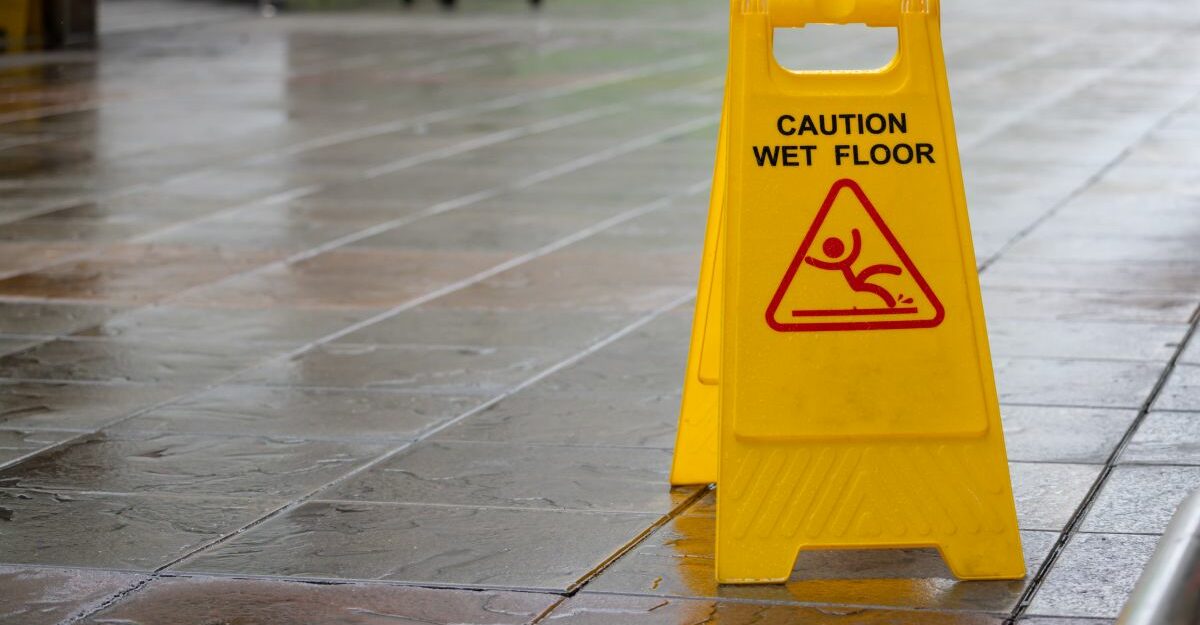
If you slip and fall in your apartment building or condo, you may be unsure who is responsible — your landlord, the condo corporation, property management, or someone else entirely.
Ontario law is clear: whoever controls and maintains the property must take reasonable steps to keep you safe. When they fail to do so and you’re injured, you may be entitled to compensation.
This guide explains your rights as a tenant, who may be at fault, and what to do after a slip and fall in a residential building.
Who Is Responsible for Your Safety in an Apartment or Condo?
Under Ontario’s Occupiers’ Liability Act, the party that “owns, controls, or maintains” the property must keep it reasonably safe.
Depending on the building, responsibility may fall on:
- The landlord
- The property owner
- The condo corporation
- The property management company
- Maintenance or cleaning companies
- Snow and ice removal contractors
In many cases, more than one party shares responsibility.
Where Slip and Falls Commonly Happen in Apartment and Condo Buildings
Slip and falls often occur in:
- Lobbies
- Hallways
- Stairwells
- Elevators
- Laundry rooms
- Parking garages
- Sidewalks and walkways
- Building entrances
- Garbage/recycling areas
- Patios and rooftop spaces
💡 Any area tenants regularly use must be maintained safely.
Common Causes of Slip and Falls in Residential Buildings
In apartment and condo complexes, slip and falls are often caused by:
- Wet floors in lobbies or hallways
- Snow and ice on walkways, stairs, or parking lots
- Poor lighting in corridors or stairwells
- Torn carpeting
- Cracked tiles
- Leaking pipes
- Spilled liquids left uncleane
- Loose handrails
- Uneven steps or flooring
- Maintenance neglect
Any of these hazards can make the landlord or condo corporation responsible.
Tenant Rights: What Ontario Law Requires
Tenants and condo residents have the right to:
- A safe, well-maintained living environment
- Proper snow and ice removal
- Adequate lighting in hallways and stairwells
- Regular inspections and repairs
- Prompt cleanup of spills, leaks, and hazards
- Safe common areas free from foreseeable dangers
Who Is at Fault? Understanding Liability
Liability depends on where the fall happened and who was responsible for that area.
1. Landlords (Apartment Buildings)
Responsible for all common areas, including:
- Entrances
- Hallways
- Parking lots
- Garbage rooms
- Shared facilities
2. Condo Corporations
Responsible for maintaining common elements, such as:
- Lobbies
- Elevators
- Pool or gym areas
- Walkways
- Exterior stairs
3. Property Management Companies
Often hired to perform:
- Daily maintenance
- Inspections
- Cleaning
- Repairs
4. Contractors
Liability may extend to:
- Cleaning companies
- Snow and ice removal contractors
- Repair/maintenance crews
Multiple parties can share responsibility in a single claim.
Snow and Ice Falls: Special Deadlines Apply
If you slipped outside the building due to snow or ice, Ontario’s 60-day notice rule applies.
If your fall happened on municipal property near the building (e.g., city sidewalk), the 10-day notice rule may apply instead.
What to Do After a Slip and Fall in Your Apartment or Condo
Act quickly to protect your health and your claim:
- Get medical attention
- Take photos and videos of the hazard and area
- Report the incident to the landlord, superintendent, property manager, or condo board
- Request an incident report
- Collect witness information
- Keep your footwear and clothing
- Write down what happened
- Save receipts and medical records
- Speak to a lawyer before dealing with any insurance adjuster
💡 Evidence disappears quickly in residential buildings — especially spills and winter hazards.
What Compensation Can You Claim as a Tenant?
Tenants may be entitled to compensation for:
- Pain and suffering
- Lost wages
- Future income loss
- Medical and rehab expenses
- Out-of-pocket costs
- Housekeeping or home support
- Long-term disability benefits if you can’t return to work
For a full breakdown, read:
👉 Slip and Fall Compensation in Ontario
When Should You Contact a Lawyer?
You should get legal advice right away if:
- You were injured
- The landlord or condo denies responsibility
- You slipped on snow, ice, or water
- There was poor lighting or a structural hazard
- You missed work because of the injury
- You’re unsure who is at fault
- You’re worried about meeting notice deadlines
Free Consultation: Apartment & Condo Slip and Fall Claims
You shouldn’t have to navigate landlord or condo insurance on your own. At Samfiru Tumarkin LLP,we can explain your rights and help you take the next steps.
- ✅ Free consultation
- ✅ No upfront fees
- ✅ Millions recovered for injured Canadians
- ✅ Canada’s most-reviewed personal injury and disability law firm
Speak to a Slip and Fall Lawyer in Ontario Today.
About the Author

Sivan Tumarkin
Sivan Tumarkin is a Founding Partner of Samfiru Tumarkin LLP and Practice Leader for the firm's Long-term Disability & Personal Injury Law Group. His previous experience working for insurance companies has given him unique insight into the long-term disability claim denial and appeals process, allowing him to secure strong results for his clients.
More about Sivan TumarkinRelated Posts

Transport Truck Driver Seriously Hurt After Hwy. 416 Crash South of Ottawa
Ontario Provincial Police are asking anyone with information on the incident, including dashcam footage, to contact them.
Ottawa Crashes, Car Accidents & Local News
Been in a car accident in Ottawa? Get the latest crash updates, learn what steps to take, and find out your legal…
Motorcyclist, 25, Dead After Collision Near King Heights Academy in Vaughan
York police are asking anyone with information on the incident, including dashcam footage, to contact them.