
What Is LTD on a Pay Stub? A Simple Explanation for Canadians
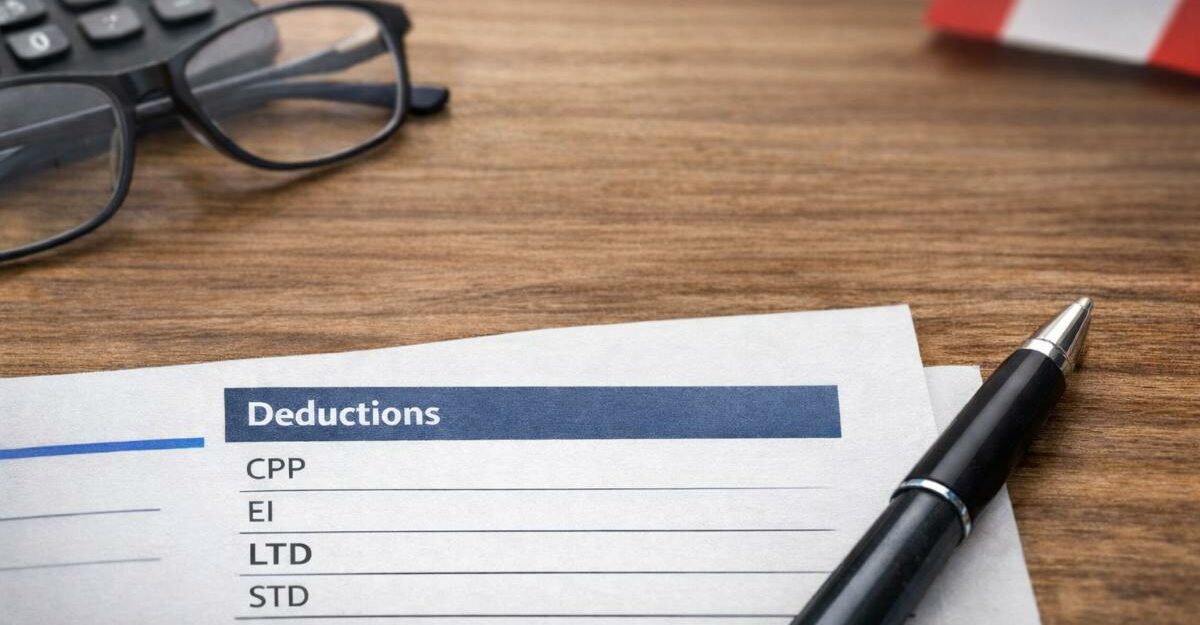
If you’ve noticed “LTD” on your pay stub, you’re not alone. Many Canadian employees see this deduction and aren’t sure what it means, who pays it, or whether it matters if they ever need disability benefits.
Here’s the short answer:
LTD on a pay stub usually stands for Long-Term Disability insurance.
It means money is being set aside to cover income replacement if you become unable to work due to illness or injury.
Below is a clear breakdown of what LTD means on your pay stub, how it works in Canada, and why it matters if your claim is denied.
What Does LTD Mean on a Pay Stub?
LTD = Long-Term Disability insurance
This deduction shows that you’re covered under a workplace disability insurance plan that may pay you income if you’re unable to work for an extended period.
In most cases:
- LTD benefits begin after short-term disability (STD) ends
- Benefits usually replace 60–70% of your income
- Coverage can last years, or until age 65, depending on the policy
For a plain-language breakdown of pay stub deductions and codes, the Government of Canada’s “Check your pay stub” resource is a useful reference (note: it’s intended for federal government employees)
What Is LTD EE on a Pay Stub?
“LTD EE” means employee-paid Long-Term Disability.
In plain terms:
- You pay the LTD premiums
- The deduction comes directly off your pay
- Your LTD benefits are usually tax-free if you ever need them
This distinction matters a lot if your claim is approved — or denied.
What Is LTD ER on a Pay Stub?
“LTD ER” means employer-paid Long-Term Disability.
That means:
- Your employer pays the premiums
- You don’t see a deduction for LTD on your pay
- Any LTD benefits are usually taxable
Many employees don’t realize this until they’re already on claim.
What Is STD and LTD on a Pay Stub?
If your pay stub shows both STD and LTD, it usually means you’re covered for short-term and long-term disability.
Here’s the difference:
- STD (Short-Term Disability)
- Covers the first few weeks or months off work
- Often replaces income for 15 weeks to 6 months
- LTD (Long-Term Disability)
- Kicks in after STD ends
- Covers long-term or permanent inability to work
Why LTD on Your Pay Stub Really Matters
Seeing LTD on your pay stub means you’ve paid into a system that should fight you when you need it most.
Common issues include:
- Claims denied for being “not totally disabled”
- Benefits cut off after 2 years
- Surveillance or insurer-hired medical exams
- Pressure to return to work too soon
What to Do If Your LTD Claim Is Denied or Cut Off
If your insurer terminates or denies your LTD benefits:
- Do not assume they’re right
- Do not rely on the insurer’s appeal process alone
- Do not miss limitation deadlines
Final Takeaway
- LTD on your pay stub = Long-Term Disability insurance
- LTD EE means you pay the premiums
- LTD ER means your employer pays
- STD covers short absences; LTD covers long-term inability to work
- Paying into LTD doesn’t guarantee approval — but it does give you rights
Understanding your pay stub is just the first step.
About the Author

Sivan Tumarkin
Sivan Tumarkin is a Founding Partner of Samfiru Tumarkin LLP and Practice Leader for the firm's Long-term Disability & Personal Injury Law Group. His previous experience working for insurance companies has given him unique insight into the long-term disability claim denial and appeals process, allowing him to secure strong results for his clients.
More about Sivan TumarkinRelated Posts

2 Hospitalized After Serious Crash in Scarborough’s Port Union Neighbourhood
Toronto police claim the crash ended with 1 of the vehicles losing control and crashing into a nearby building.

2 Men Hurt After E-Bike, Vehicle Collide Near Villaways Park in North York
Toronto police are asking anyone with information on the incident, including dashcam footage, to contact them.
Toronto Crashes, Car Accidents & Local News
Live updates on Toronto crashes and car accidents. See today’s incidents, hotspots, and learn your legal rights after a collision.